casino news
 The Possibility Of Shutting Down Casinos Is High

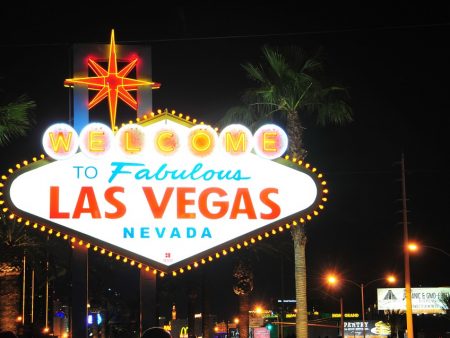
The Governor of Nevada, Steve Sisolak, proposes new health restrictions on Nevada gaming properties as the number of coronavirus cases increases. This comes at a time where Las Vegas casinos have yet to recover from the previous closing, with many seeing a reduction in their operating profits.
Without giving any specific details, the governor mentioned that there is a possibility that casinos could close their doors again. Experts aired their concerns about the financial impact the closure would have on the casino industry, citing the revenue losses from the earlier closure.
“My administration is exploring all mitigation options available to get this under control,” Sisolak told reporters. “We will have to wait and see what happens next week.”
He says he is “attempting to protect our very fragile economy.” It is like “walking a tightrope to balance public health and economic impacts,” the governor explained.
Last week, the governor announced that he would be detailing the next steps to address the state’s increasing number of coronavirus cases. On November 10, Sisolak encouraged Nevadans to stay at home as a way to reduce the new surge. But at the moment, the casinos will remain open.
When asked about possible new restrictions, a leading expert said that Sisolak’s recent Stay at Home directive “was light on specifics.”
“If you can work from home, do so. Wear a mask at all times. In 14 days, reevaluation will occur,” the expert said.
“You probably need more than 14 days to see significant effects since positive tests, hospitalizations, and deaths follow a dynamic path,” the expert continued. “If the curves continue to climb for the rest of the 14 days — six left — then we will probably see restrictions on gathering-together sectors — restaurants, bars, gyms, churches, casinos, and so on.”
When speaking about casinos, Anthony Cabot, Distinguished Fellow of Gaming Law at UNLV’s Boyd School of Law, said, “the surge of coronavirus cases, is an unwelcomed news to casinos.” He said people are still apprehensive towards the virus and growing concerns about traveling and socializing. Such concerns will have an adverse effect on the number of visitors in Nevada
“We have to wait to see if the governor directs these new restrictions at the casino market or to other businesses,” Cabot said. “Speculating on whether these enhanced restrictions will impact the tourist casinos is challenging to predict.”
There are talks from various sectors that businesses and workers should be presented with a relief plan to help them in these troubling times.
The economy is still lagging, with various recovery processes taking longer than expected.
As Anthony Cabot puts it, Nevada’s economy is in the balance. It will take the successful implementation of the coronavirus vaccine to help boost the economy.

Several States Close Down Casinos
Other states in the country are starting to close down gaming venues because of the increase in coronavirus cases. Last week, Illinois, New Mexico, and Michigan closed their commercial and tribal casinos with no reopening date.
There are already talks that Rivers Casino Philadelphia will be closed next week until January 1. Massachusetts has reduced the operating hours of its three commercial casinos. In Ohio, there s a three-week retail curfew in place between 10 pm to 5 am.
However, Atlantic City Casinos still remain open. But restaurants (including those in the casinos) have a curfew in place between 9 pm and 5 am.
Meanwhile, Governor Sisolak tested positive for coronavirus, bringing the total number of new cases in Nevada to 1665. In total, the pandemic has led to 125,459 cases and 1,947 deaths in Nevada.
In the wake of the increasing number of cases, it is hard not to worry about the economy.
“It is hard to imagine a world in which we don’t see more restrictive operating environments for US retail casinos across the next two quarters,” adds Chris Grove, a financial analyst with Eilers & Krejcik Gaming said. “The only questions are how restrictive measures will be, and what specific form those measures will take.”